Colorado Summers Are Harder on Your Body Than You Think
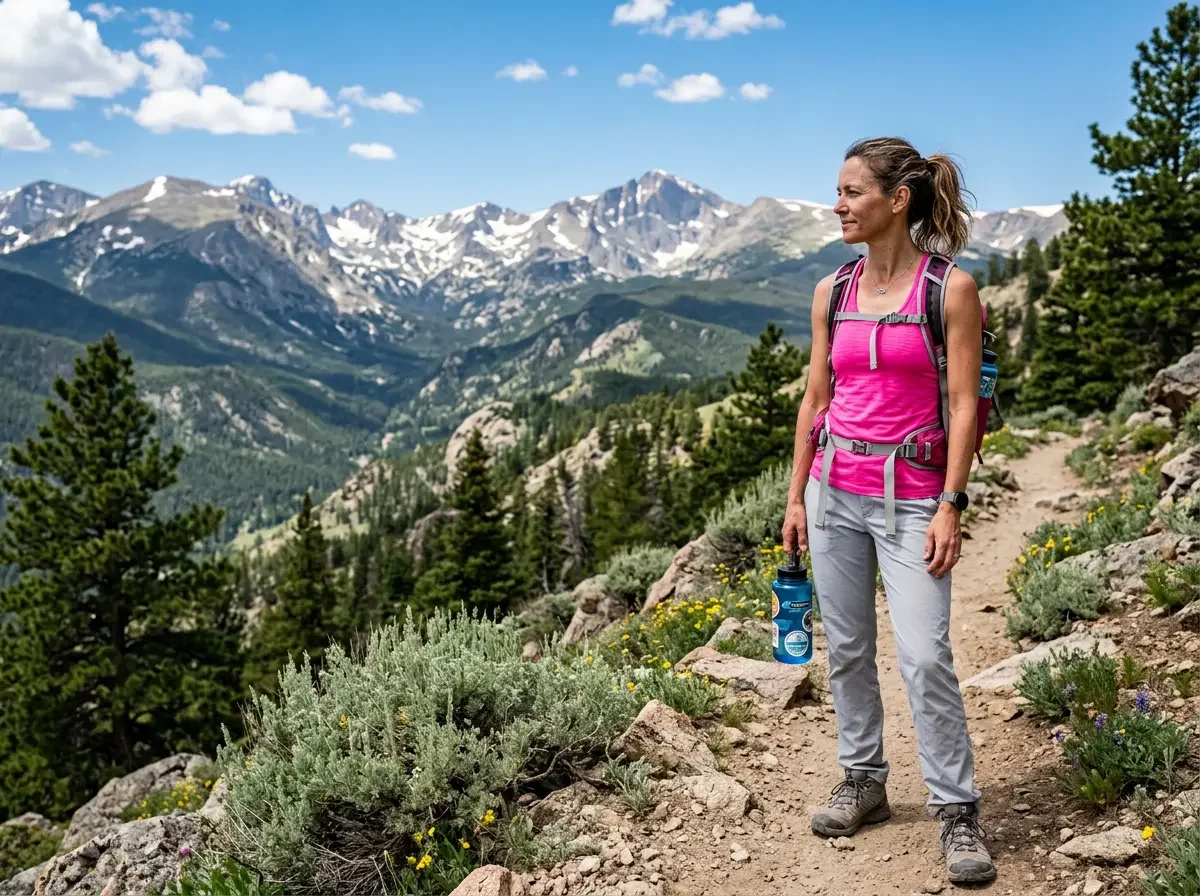
Mile four of a trail above Nederland. A pounding head, heavier-than-normal legs, more tired than the effort should warrant. Most active Coloradans chalk it up to heat or bad sleep and push through — but that pattern, repeated all summer, is how otherwise healthy people end up in a physician's office wondering why they feel depleted.
Last updated: June 12, 2026
There is a particular kind of confidence that comes with living at altitude. You hike more than most people you know. You have acclimated. You drink water. You think of yourself as someone who takes care of themselves, and by most measures, you are right.
And then mid-July arrives, and somewhere around mile four of a trail above Nederland, or after a Saturday morning road ride through the rolling terrain east of Lafayette, something feels off. Your head is pounding. Your legs are heavier than they should be. You are more tired than the effort warrants. You chalk it up to the heat or a bad night of sleep, drink a little more water, and push through.
That pattern, repeated across a Colorado summer, is exactly how otherwise healthy, active people end up in a physician's office wondering why they feel so depleted.
Colorado summers are genuinely demanding on the body. Not in a way that makes headlines, but in the quiet, cumulative way that erodes your baseline if you are not paying attention. Understanding what is actually happening physiologically can make a meaningful difference in how you feel from June through September and how well you recover heading into fall.
Why Altitude Changes Everything
Lafayette sits at approximately 5,236 feet above sea level. That is not the elevation of a high-alpine trail; it is your baseline. When you head west into the foothills or up toward Rocky Mountain National Park for a weekend hike, you are adding significant altitude on top of an already elevated starting point.
At higher elevations, the air contains less oxygen per breath. Your body compensates by breathing faster and increasing heart rate, which has a direct consequence: you lose water vapor through respiration at a substantially higher rate than you would at sea level.
The thirst mechanism also lags at altitude. You may be significantly behind on fluid intake before your body registers that anything is wrong. By the time you feel thirsty, you are already playing catch-up.
Add summer heat, direct sun at elevation where UV exposure is meaningfully more intense, and the physical demands of the activities that make living in Boulder County worth it, and you have conditions that strain even a well-conditioned body.
What Dehydration Actually Looks Like at Altitude
Most people associate dehydration with obvious thirst and dark urine. Those are late indicators. Earlier signals are subtler, and they are frequently misattributed:
A dull headache that arrives in the afternoon, particularly after outdoor activity
Fatigue that does not resolve with rest
Difficulty concentrating or a foggy, low-energy feeling by late afternoon
Muscle cramps during or after exercise, even when your effort level felt manageable
Elevated resting heart rate the morning after strenuous activity
Feeling warmer than expected, or struggling to cool down efficiently
These symptoms are easy to dismiss, especially when summer is full of other plausible explanations. Stress, busy schedules, disrupted sleep, and the cumulative fatigue of a packed calendar all produce overlapping signals. Without a clinical baseline, it is genuinely difficult to distinguish chronic mild dehydration from something else worth investigating.
The Electrolyte Piece That Most People Miss
Hydration is not simply about water volume. When you sweat, you lose sodium, potassium, magnesium, and chloride. Replacing fluid without replacing electrolytes dilutes what remains, which can actually worsen symptoms, particularly headache and muscle cramping.
Colorado's dry climate accelerates this imbalance. Because sweat evaporates almost immediately in low-humidity conditions, many people do not realize how much they are perspiring. You may finish a two-hour mountain bike ride feeling only moderately damp and genuinely underestimate your fluid and electrolyte losses.
A few practical points worth understanding:
Plain water is not always sufficient for recovery after extended exertion. After an hour or more of vigorous activity, electrolyte replacement is as important as fluid replacement.
Sports drinks vary widely in electrolyte content. Many popular options prioritize sugar over sodium, which is the electrolyte most critical to fluid retention and nerve function.
Food contributes meaningfully to electrolyte balance. A post-activity meal that includes sodium, leafy greens, and potassium-rich foods supports recovery in ways that beverages alone cannot.
Caffeine and alcohol compound losses. Both have mild diuretic effects. Summer social patterns- afternoon coffee, post-hike beers on a patio- can quietly accelerate the deficit.
How Altitude and Heat Affect Chronic Health Conditions
For people managing ongoing health conditions, Colorado summers introduce variables that deserve attention from a clinical standpoint.
Cardiovascular Health: Heat and altitude together increase cardiac demand. Your heart works harder to maintain blood pressure and regulate temperature. For people with hypertension or who are monitoring cardiovascular risk factors, summer is not the time to be out of contact with their physician. Certain blood pressure medications require dose adjustments in heat, and some can impair the body's ability to cool itself efficiently.
Migraines: Boulder County has a notably high rate of migraine sufferers, and for good reason. Altitude, barometric pressure shifts common in the afternoon thunderstorm season, dehydration, and disrupted sleep are all documented migraine triggers. Summer in Colorado can be a perfect convergence of those factors. If you are managing migraines, having a physician who understands your pattern and can help you build a proactive summer protocol makes a practical difference.
Blood Sugar Regulation: Heat affects insulin absorption and glucose metabolism. For people managing or monitoring prediabetes, sustained heat exposure and altered summer routines, different meal timing, more alcohol, and irregular sleep can shift numbers in ways that are worth tracking.
Skin Colorado receives more intense UV radiation than coastal states at similar latitudes due to elevation and thinner atmosphere. Sun damage is cumulative. A preventive medicine conversation that includes skin health, annual skin checks, and SPF habits is directly relevant to long-term health outcomes, not cosmetic preference.
Recovery Is Not Optional
One defining characteristic of active people in Boulder County is a high tolerance for physical discomfort and a tendency to undervalue rest. The same drive that produces impressive athletic performance can make it difficult to recognize when the body needs recovery rather than more effort.
Overtraining syndrome is not limited to elite athletes. It develops gradually in recreational athletes who push hard on weekends, sleep inconsistently, manage demanding professional lives, and do not give adequate weight to recovery. Symptoms include persistent fatigue, decreased performance despite maintained or increased effort, mood changes, and increased susceptibility to illness.
Summer intensifies these dynamics. Longer daylight hours mean more time and motivation to be active. Heat increases physiological stress. Disrupted routines during vacation season affect sleep and nutrition. A physician who knows your baseline can help you distinguish the normal adaptation demands of an active summer from a pattern worth addressing.
What a Preventive Conversation Actually Covers
Seasonal health is not a separate category from general preventive care. At Manifest Health Concierge Medicine, Dr. Koza approaches summer wellness as part of an ongoing, longitudinal understanding of each patient's health.
That kind of conversation might include:
Reviewing any medications that interact with heat, altitude, or sun exposure
Establishing hydration and electrolyte strategies based on your activity level and history
Assessing cardiovascular baselines before a demanding hiking or endurance season
Discussing sleep quality and recovery, particularly if fatigue is a recurring pattern
Addressing migraine triggers and building a summer-specific management plan
Reviewing bloodwork that may reflect summer-pattern changes in metabolic or hormonal function
Longer appointments and direct physician access mean that these conversations do not have to be compressed into an urgent care visit after something has already gone wrong.
The Cumulative Case for Paying Attention
A Colorado summer is one of the genuinely great reasons to live here. The trails, the altitude, the afternoon light above treeline, the accessible wildness of the Front Range, these things are worth protecting your capacity to enjoy.
The body that carries you through those experiences responds to attention and investment. Mild dehydration, electrolyte imbalance, sleep debt, and unmanaged chronic conditions do not stay mild forever. Addressed with the same intentionality you bring to your training plan or your gear selection, they are also largely preventable.
The same drive that makes you great on the trail can make it hard to notice when your body needs recovery, not more effort. Dr. Koza offers the longer visits and direct access to catch the pattern before it becomes a bigger problem.
Call: 720-439-4002